Am I being Bullied ?
Am I being Bullied?
You deserve to feel safe
Bullying is never your fault. If someone is trying to hurt, scare, embarrass, control or leave you out on purpose, that is not okay. Bullying can happen at school, at home, in clubs, in the community, on your phone, in group chats, on social media or in online games.
You do not have to deal with bullying on your own. Telling a trusted adult can help make things safer.
What is bullying?
The repetitive, intentional hurting of one person or group by another person or group, where the relationship involves an imbalance of power. Bullying can be physical, verbal or psychological. It can happen face-to-face or online.
Anti-Bullying Alliance
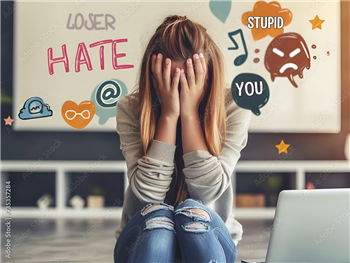
Bullying can include:
- name-calling, teasing or making fun of you;
- spreading rumours or lies about you;
- pushing, hitting, kicking or hurting you;
- taking or damaging your things;
- threatening or intimidating you;
- leaving you out on purpose or making you feel unwanted;
- sending nasty messages or comments online;
- sharing photos, videos or personal information about you without permission;
- pretending to be you online to embarrass or upset you.
Watch these clips;
Online bullying
Online bullying
Online bullying, sometimes called cyberbullying, is bullying that happens through technology. This might be through social media, messaging apps, group chats, gaming, livestreams, comments, posts or fake accounts.
Online bullying can feel really hard because it can happen at any time and may follow you even when you are at home. But there are things you can do, and there are people who can help.
If you are being bullied: 5 things you can do
If you are being bullied: 5 things you can do
1. Tell someone you trust
Tell an adult who can help, such as a parent, carer, teacher, school nurse, youth worker, coach, relative or another trusted adult. If the first person you tell does not help, tell someone else. Childline also offers confidential support if you are not sure who to talk to.
2. Keep evidence
Write down what happened, when it happened, where it happened and who was involved. If it happened online, keep screenshots or messages if it is safe to do so. Evidence can help adults understand what has been happening.
3. Report and block online bullying
Most apps, games and social media sites let you report bullying or harassment. You can also block people who are bullying you so they cannot contact you as easily.
4. Try not to reply to nasty messages
It can be tempting to reply, but responding can sometimes make things worse. If you can, save the evidence, block or report the person, and speak to an adult.
5. Take care of yourself
Bullying can make you feel upset, angry, frightened, embarrassed or alone. Those feelings are understandable. Taking a break from your phone, spending time with someone you trust, doing something calming, or speaking to Childline can help you feel less alone.
If you see someone else being bullied
If you see someone else being bullied
You can help without putting yourself in danger. You could:
- tell a trusted adult what you have seen;
- be kind to the person being bullied;
- ask them if they are okay;
- help them report or block online bullying;
- avoid liking, sharing or commenting on bullying posts;
- encourage them to get help from Childline or another trusted adult.
Childline advises not to share or comment on bullying posts, as this can make things worse for the person being targeted.
If you have bullied someone
If you have bullied someone
If you have hurt, threatened, excluded or embarrassed someone, you can choose to stop and get help to change things. Bullying others is not okay, but asking for help is a positive step. Childline has advice for young people who are worried they may be bullying someone.
You can:
- stop the behaviour;
- delete hurtful posts or messages if you can;
- apologise if it is safe and appropriate;
- speak to a trusted adult;
- ask for help with anger, peer pressure, friendship problems or things happening in your own life.
When to get urgent help
When to get urgent help
Get help straight away if:
- someone has hurt you or threatened to hurt you;
- you feel unsafe going to school, home, a club or another place;
- someone is pressuring you to do something you do not want to do;
- someone is sharing private images or information about you;
- you feel like hurting yourself or you do not want to be here anymore.
If you or someone else is in immediate danger, call 999 or ask an adult to call. If you need to talk to someone, contact Childline on 0800 1111 or visit https://www.childline.org.uk/
Childline offers free, confidential support for children and young people.
Helpful websites
Helpful websites
Childline: bullying and cyberbullying
Childline has advice about bullying, online bullying, reporting, blocking, keeping evidence, mental health and helping a friend.
Visit Childline bullying and cyberbullying advice
Childline: bullying on social media
Childline explains how to report and block bullying on different social media platforms and what to do if you see upsetting content online.
Visit Childline social media bullying advice
Childnet: online bullying
Childnet explains different types of online bullying and how to identify and respond to it.
Visit Childnet online bullying advice
NSPCC: bullying and cyberbullying
The NSPCC has information about bullying, cyberbullying, signs, effects and getting support.
Visit NSPCC bullying and cyberbullying advice
Anti-Bullying Alliance
The Anti-Bullying Alliance shares advice, support and resources to help stop bullying.
Visit the Anti-Bullying Alliance
Internet Matters
Cyberbullying facts and advice guides | Internet Matters
Remember
You matter. Bullying is not your fault. You have the right to feel safe, respected and listened to. If you are being bullied, tell someone and keep telling until you get the help you need.